March 13, 2026
From explosive experiments to squid dissections, this year’s Science Week transformed our school into a hub of curiosity and discovery.
The week began with a visit from the Royal Institution, where Ted led us through the different stores of energy and how they affect our lives. Our WUS students loved the fire-based butane bubbles, watching the ethanol rocket fly across the dining room, and our presenter Ted’s dry and witty sense of humour. Energy Live set the week off with a literal bang.
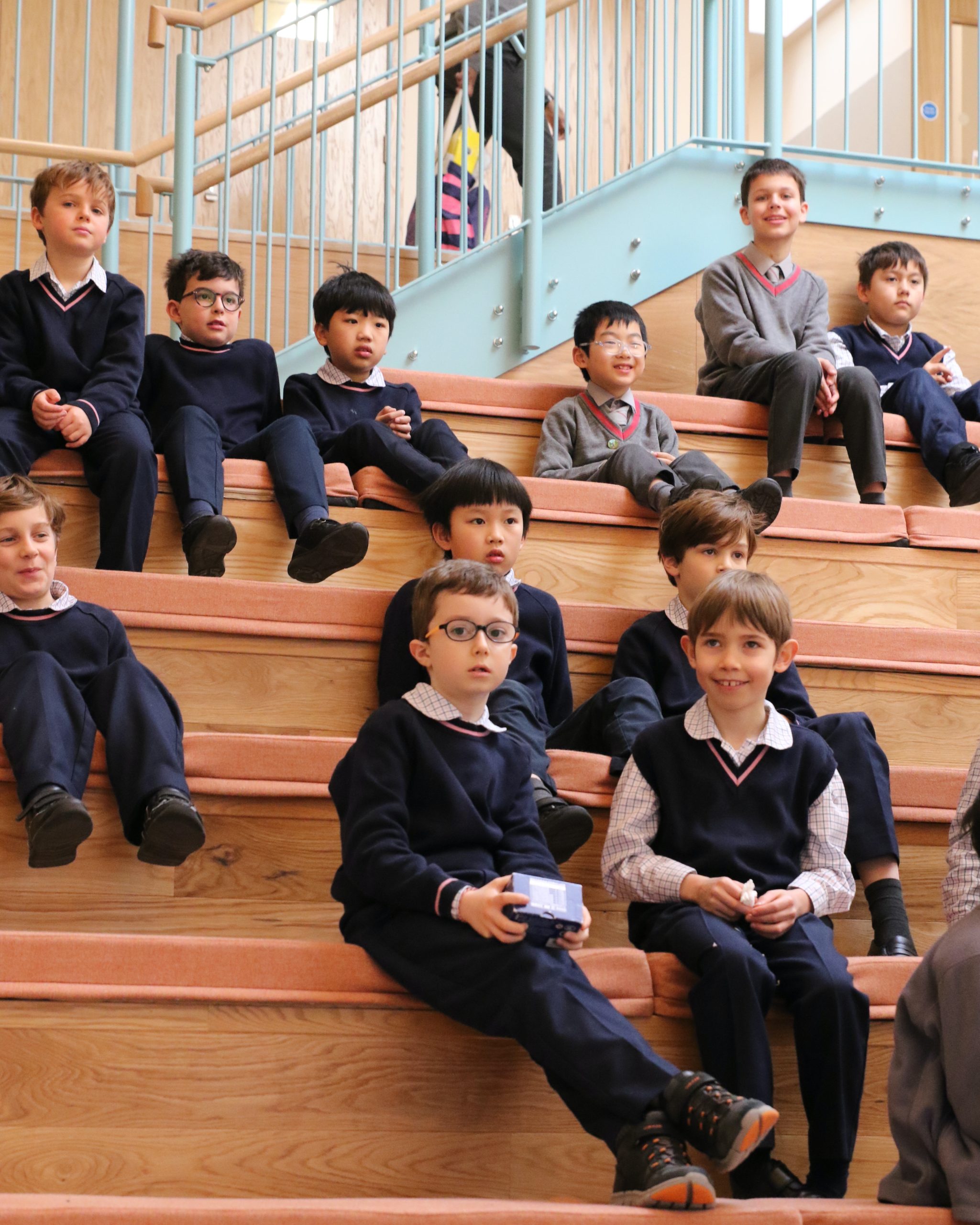
Pupils reassembled on Thursday during House Families for a Science Kahoot. Questions were based on what each year group learnt in their science lessons this academic year, and each House Family relied on every member to contribute to their team’s success. Well done to Dr Li’s Lions, Mrs Raike’s Tudors and Mrs Tricker’s Lions for getting to the podium.
The week ended in the Hellerup with a David Attenborough lunchtime screening of Wild London. Students explored the vibrant wildlife within our own city, London. From peregrine falcons to hedgehogs, our pupils saw how nature thrives in our green city.
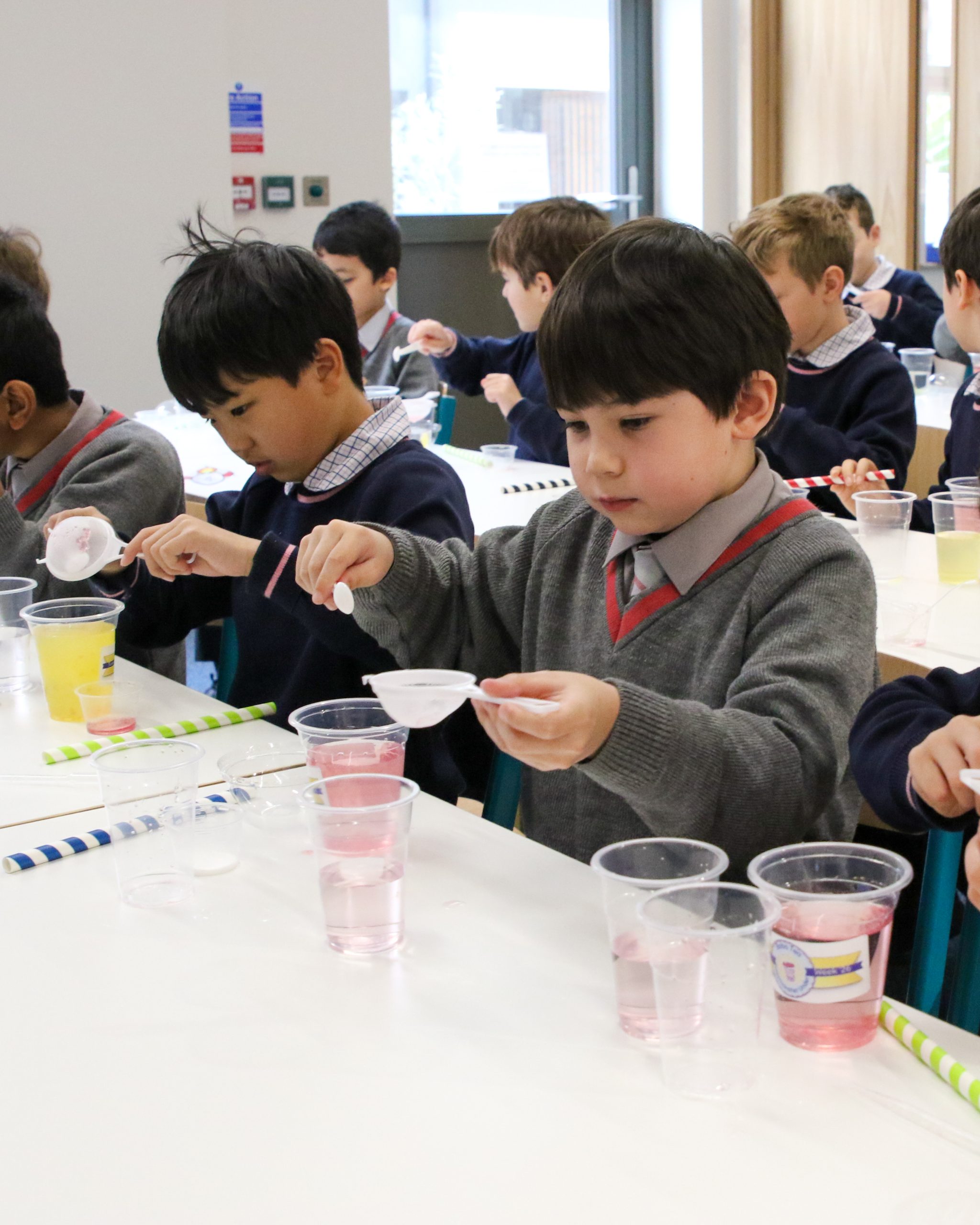
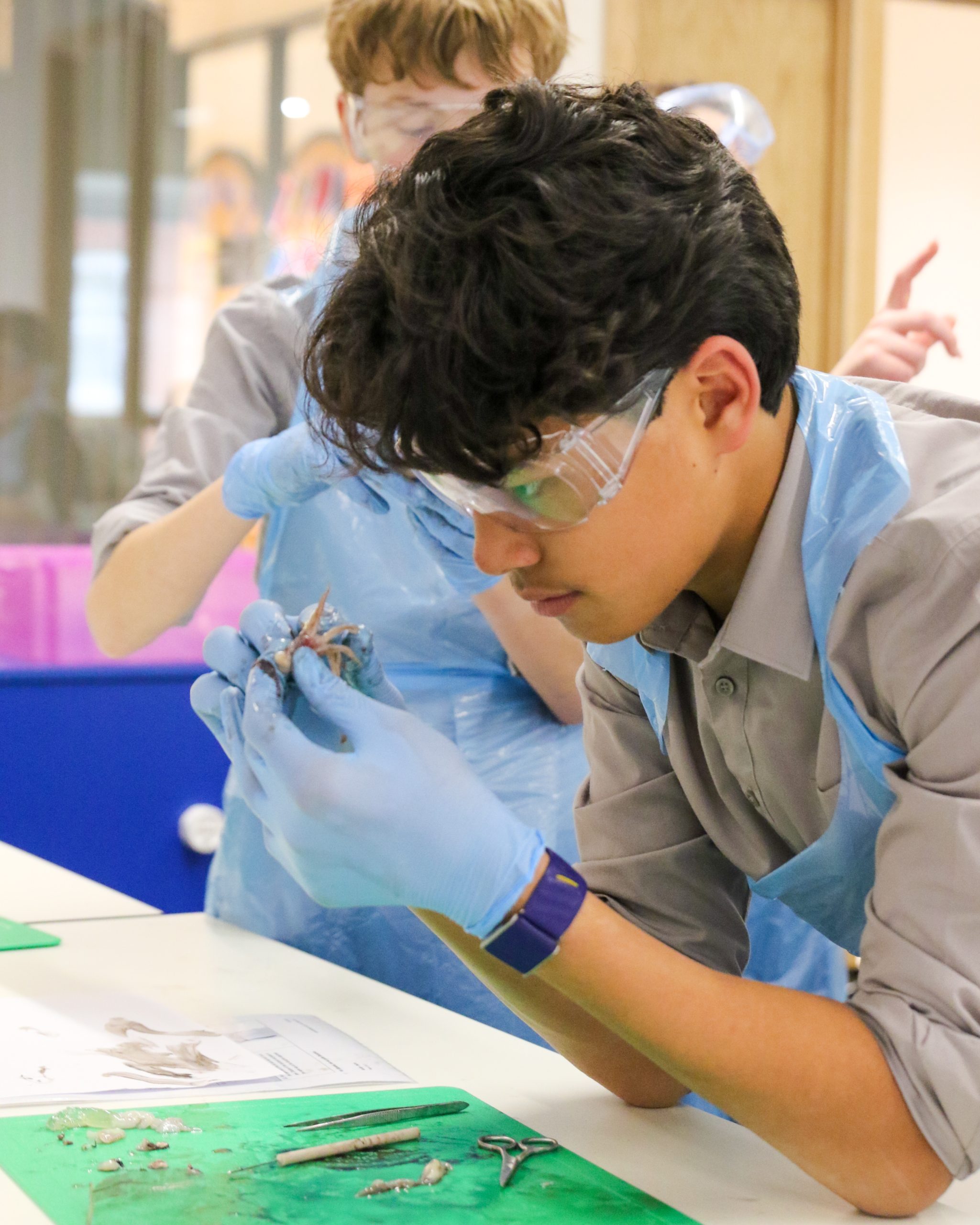
Our wonderful Science Technician, Miss Lorch, prepared a wealth of experiments for each year group to enjoy. Throughout the week, our Year 3 and 4 pupils made their own bubble tea, Year 5 dissected owl pellets, Year 6 went on a moss safari, Year 7 showed off their creativity with copper etching, and our Year 8 students dissected a whole squid. It was wonderful for pupils and staff to peer through the windows of our labs and see the experiments spark curiosity and conversations across our school community, and our new open-plan building really made Science Week a part of every corner of Chapter House.
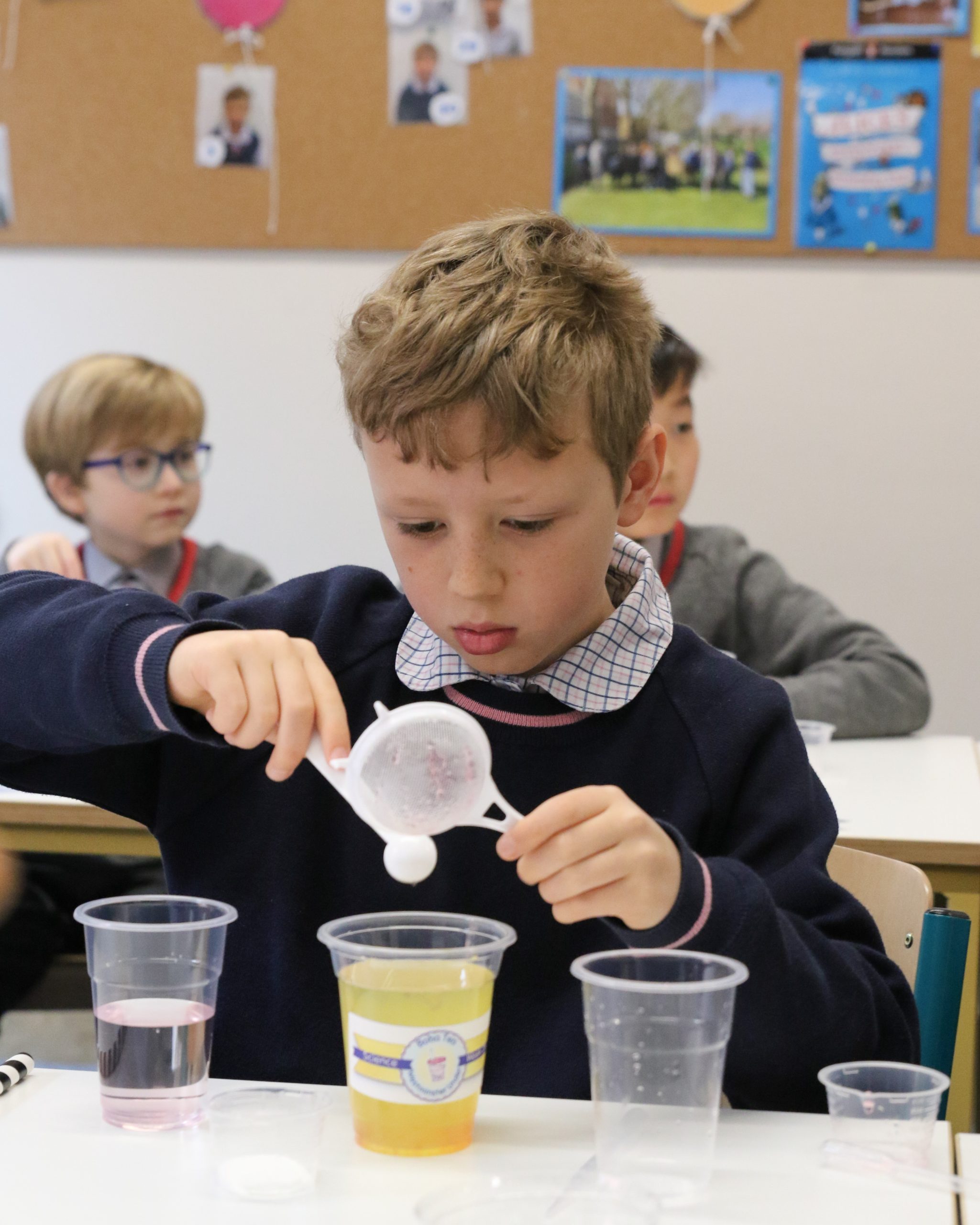
Miss Young and her junior classes explored spherification — a process that turns droplets of liquid into gel-coated spheres that burst with flavour. This technique utilises a chemical reaction occurring on the surface of a droplet of one chemical (sodium alginate) when it comes into contact with another chemical (calcium lactate). The reaction takes place on just the surface of the droplet and causes it to form a skin-like layer, trapping the liquid centre of the droplet, which does not react.
Year 3 and 4 placed their bubble tea flavour orders earlier in the week, and each student made their bespoke bubble tea. From peach and raspberry to summer fruits, Year 3 and 4 pupils enjoyed every drop of their creations. This technique is used in the food industry to make fancy caviar-style bubbles or delicious boba for tea drinks. It is also used in science, for example in algae being immobilised inside a sphere which is then used to investigate rates of photosynthesis.
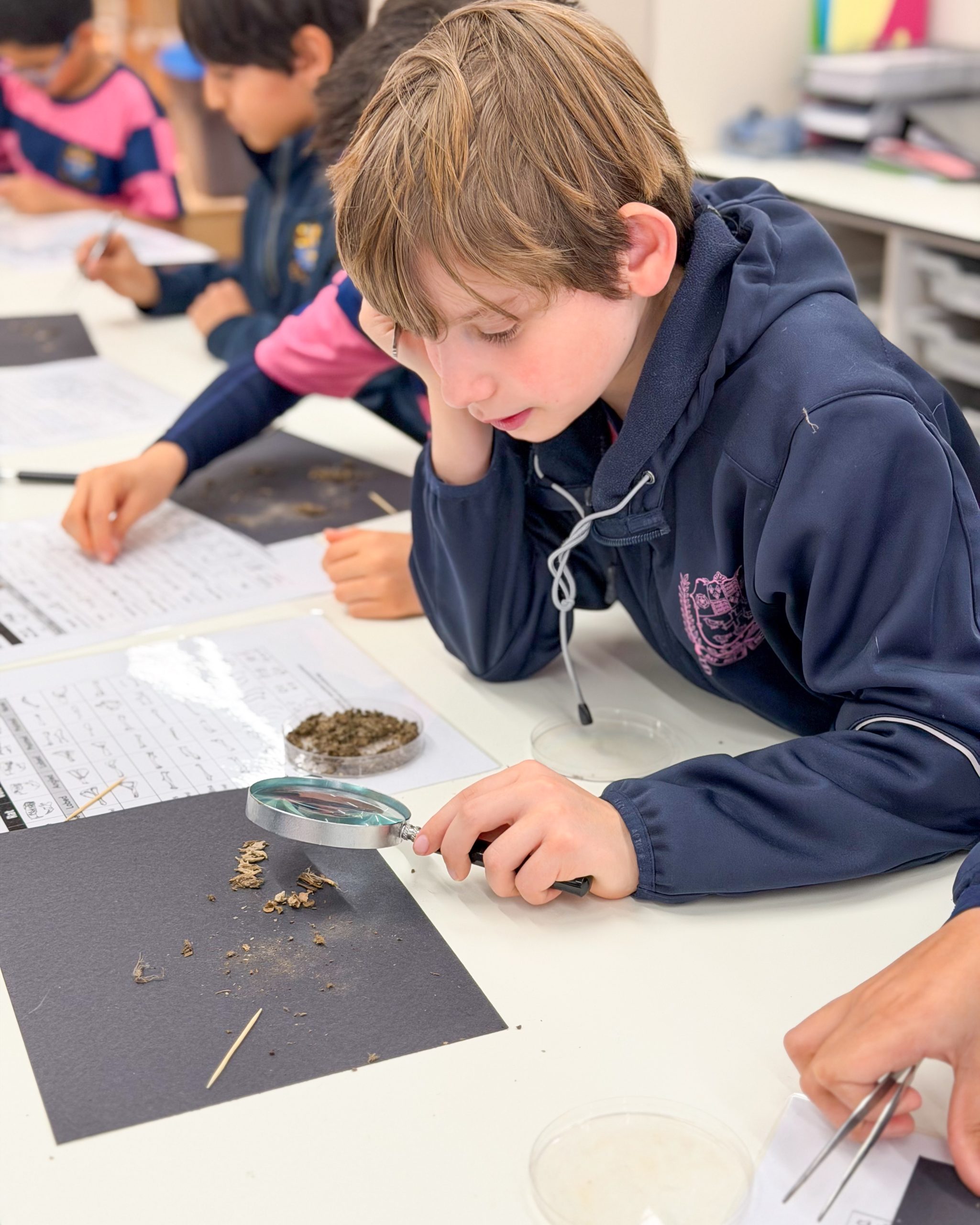
Our Year 5 lessons transformed into what felt like a research lab. Their focus, precision and analysis whilst teasing apart the owl pellets were very impressive. These owl pellets are not scat or excrement — they are actually vomit. They are the undigested remains of an owl’s diet that are then regurgitated (and sterilised for pupil use). The pellets are made up of undigested matter such as bones, fur and feathers from the owl’s prey. Each pellet represents one owl meal and will typically contain the remains of four to five small mammals. Analysis of the pellets provides insight into the diet of the colony and the diversity of animals in their hunting range. Our Year 5 pupils compared the lower jaws, femurs and spines of mammals found in their pellets to a key in order to determine what their owl had consumed.
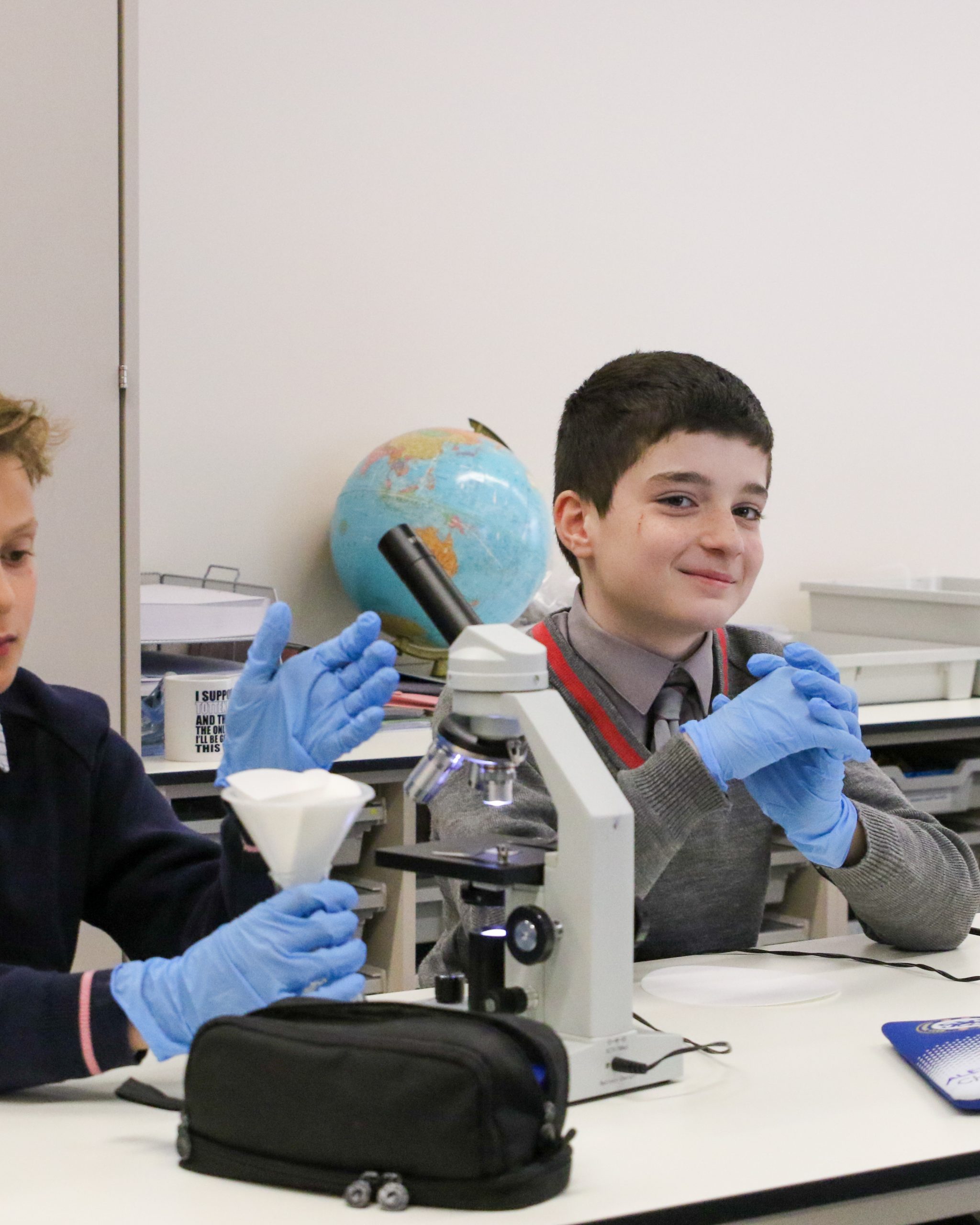
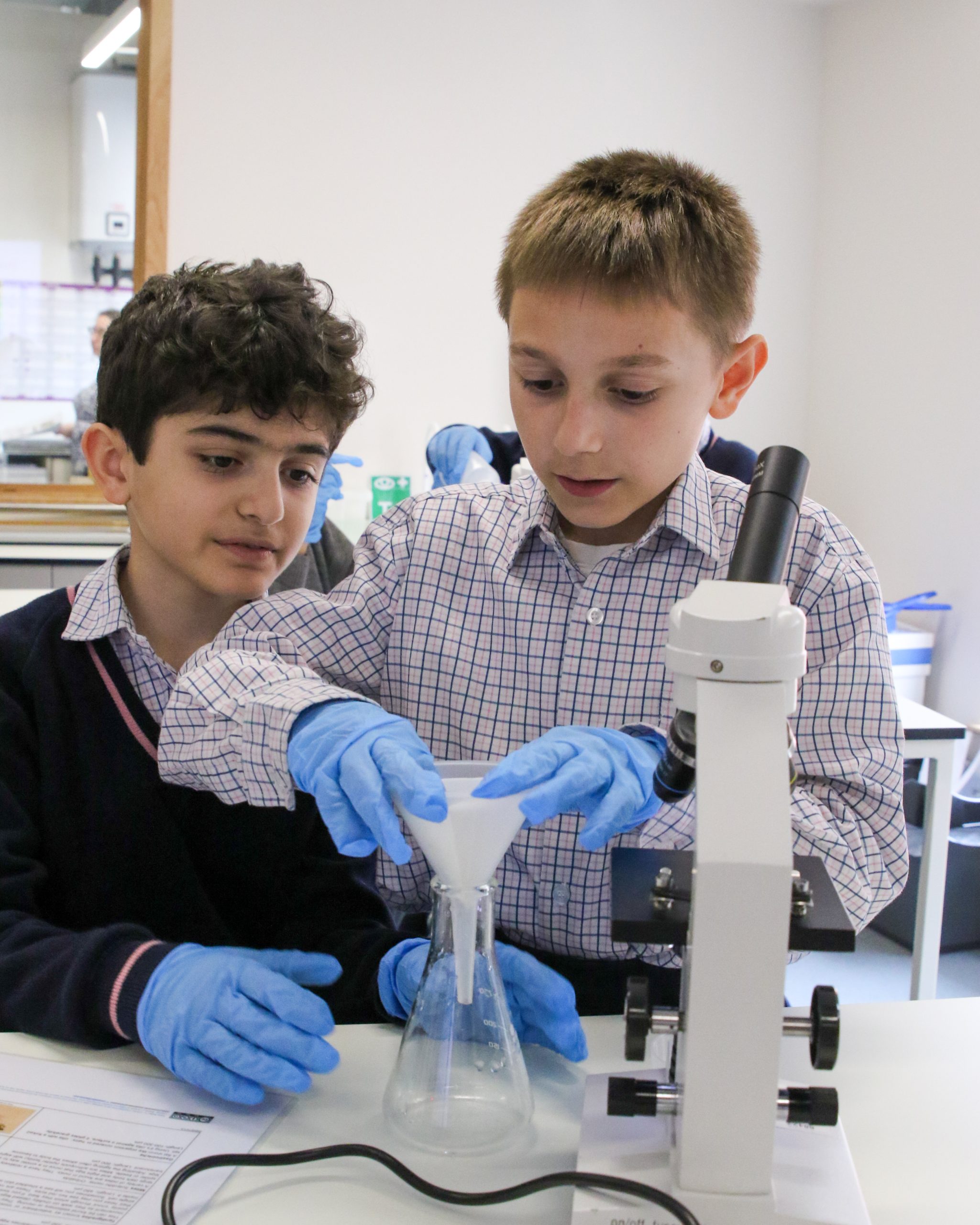
Our Year 6 boys went on a microscopic safari, hunting for the “Big Five” in the moss ecosystem. Just like their elusive counterparts on the savannah, they searched using microscopes to systematically examine droplets of water squeezed from the moss in the hope of spotting some of these classes of microorganisms — tardigrades, rotifers, nematodes, gastrotrichs and mites. Our science labs were bubbling with anticipation, with students calling out in excitement when they found a moving microorganism and used their microscope skills to follow it as it moved through the filtrate.
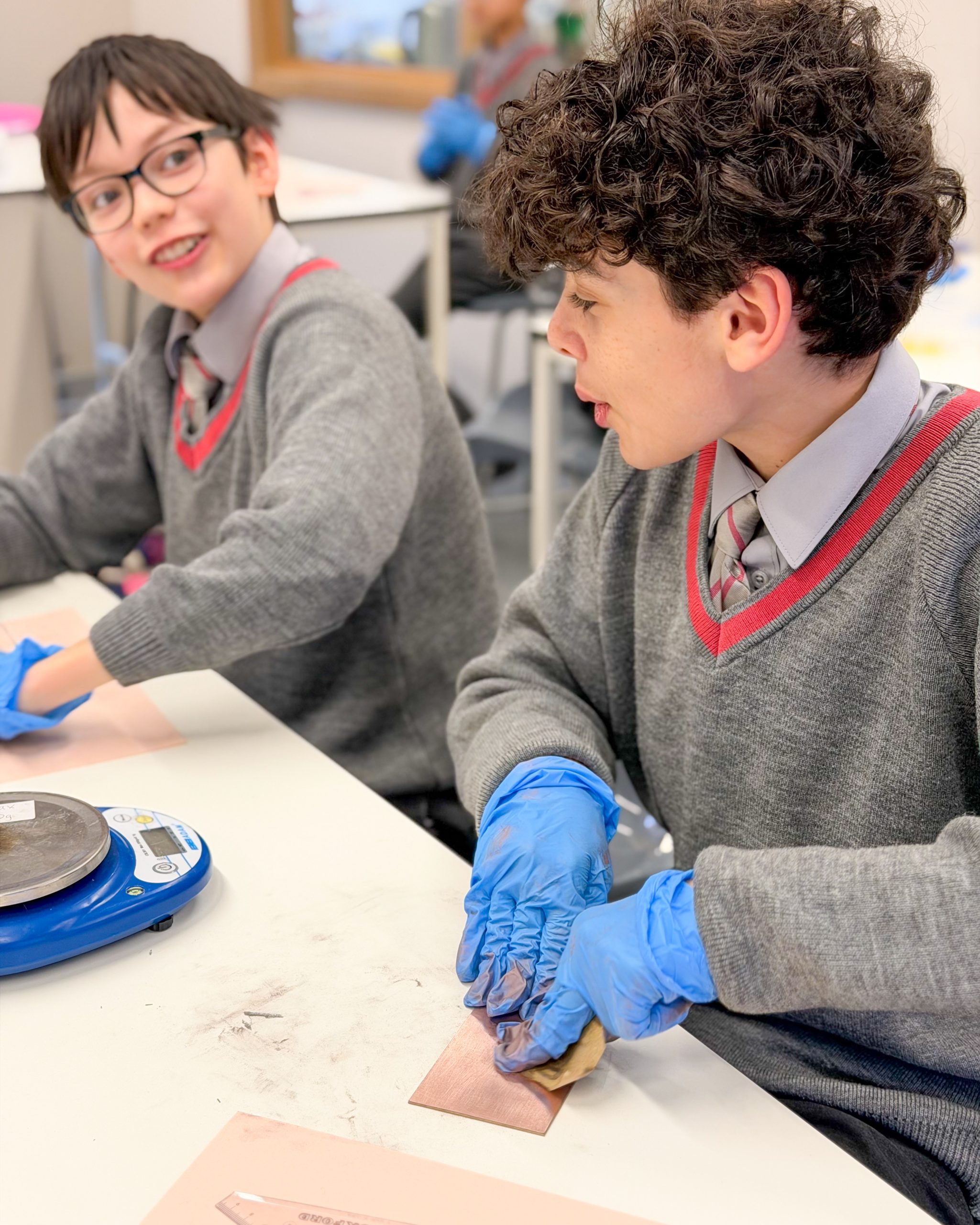
Year 7 used chemistry to create art. There is a long tradition of these two disciplines going hand in hand, particularly through the practice of etching used in printmaking. Chemical etching is also used in several industries, including the manufacture of printed circuit boards and semiconductor devices. On a plastic board coated with a thin layer of copper metal, pupils placed their design, which acted as a physical barrier to the chemical reaction. Our pupils prepared a vibrant green chemical bath and, through this redox reaction, the copper surface was removed from the board, leaving the protected areas untouched and shiny.
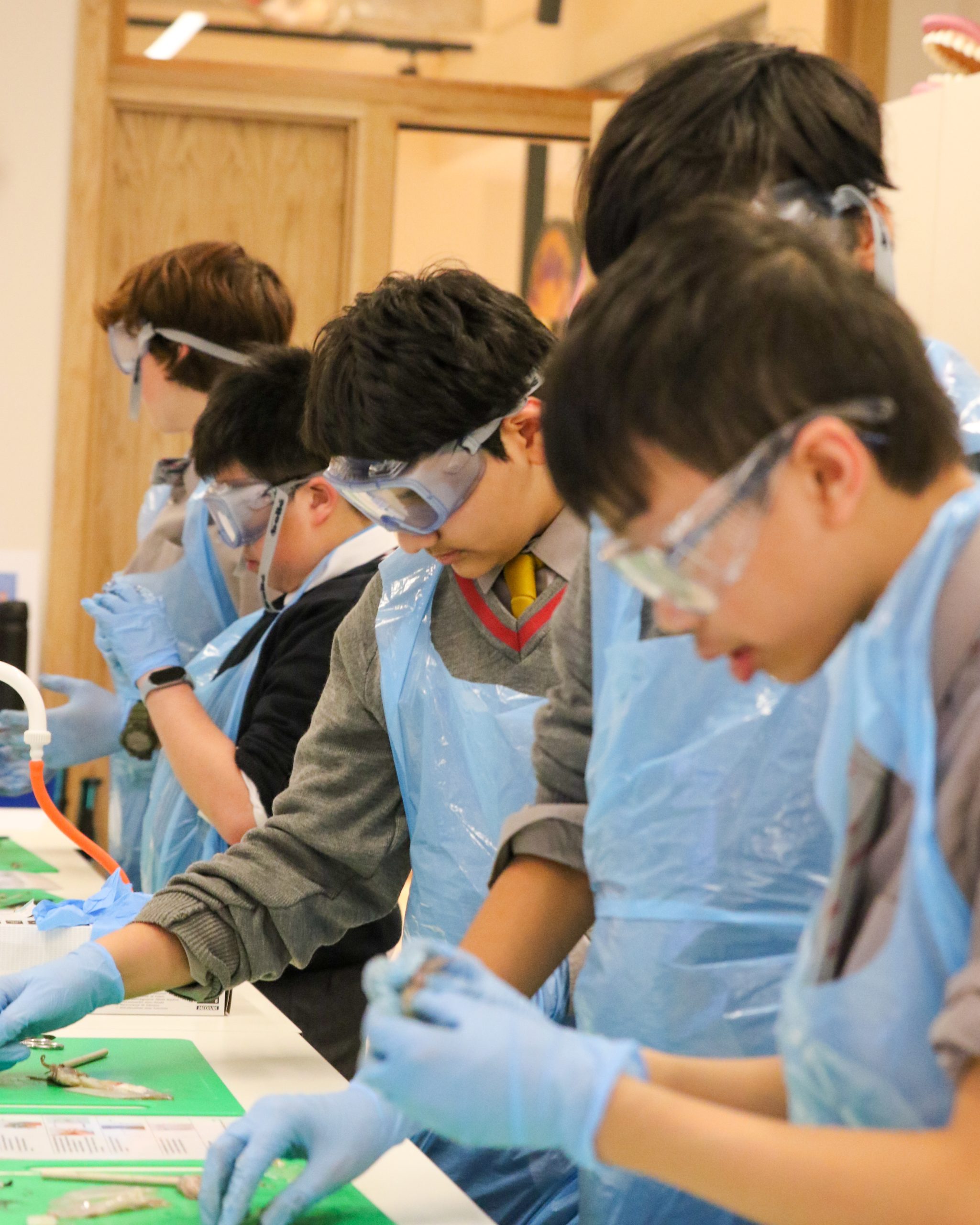
This year pupils dissected a squid, chosen for its numerous fascinating anatomical features. Pupils explored the external features of the squid, including large eyes with a lens that can be examined, skin chromatophores, the siphon used for propulsion, arms and tentacles with suction cups, and the beak-like mouth made from chitin. Using careful and precise excisions, pupils identified and removed internal structures including the gills, the heart, the pen and the ink sac. Lorrin in Year 8 created a wonderful squid portrait using the pen and ink sac as his quill and ink. Students were fascinated by the perfectly spherical lens they removed, and by how such a small living organism had so many remarkable features.